
Follow the Living Pathways of Indigenous Canada
Ancient waterways still carrying today’s paddles
Portage lines, trading stops, and treaty boundaries
Map Tools for Responsible Planning
Choosing platforms and meaningful layers
Select tools that allow layering: topography, hydrology, fire risk, tides, and Indigenous territories. Operators may share private markers for camps, hazards, and quiet zones. Integrate downloadable basemaps and satellite imagery, then calibrate expectations with guide advice. A beautifully layered map is only as ethical as the decisions it informs, so center safety, consent, and low-impact travel over speed or social-media-friendly detours.
Offline navigation that respects the land
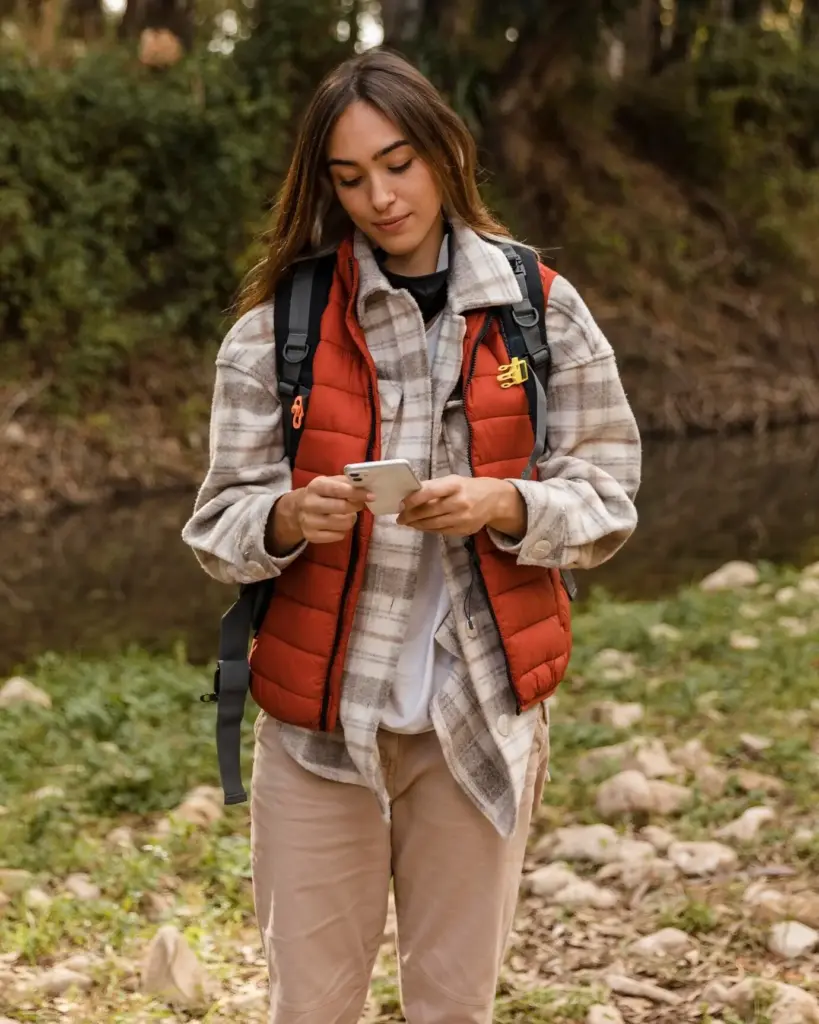
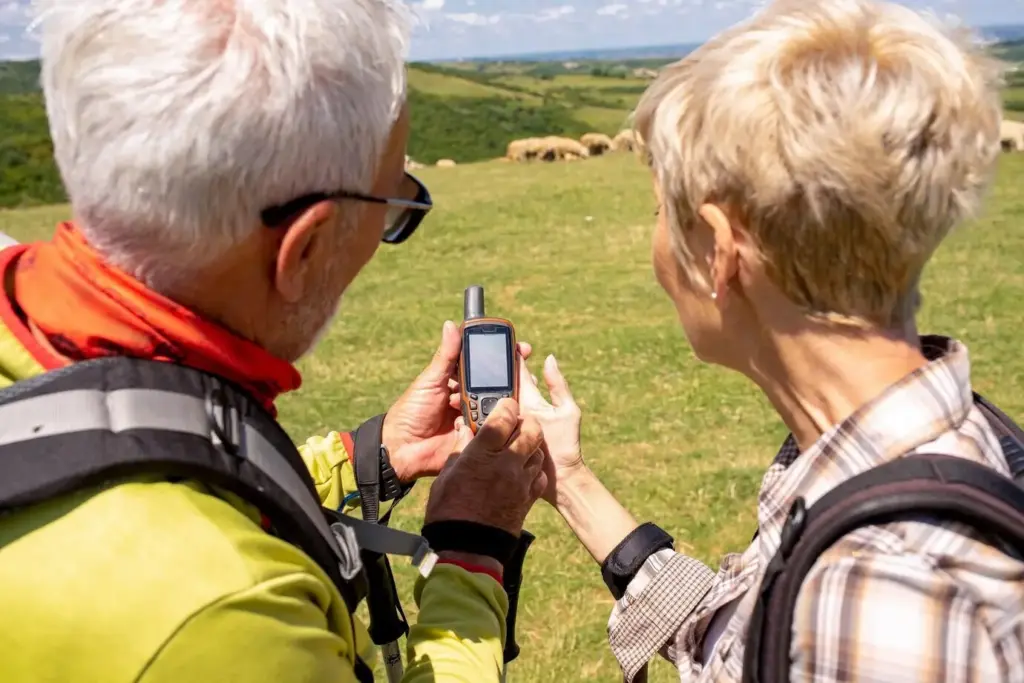
Signal fades quickly in remote valleys, archipelagos, and tundra. Download maps, waypoints, and backup basemaps before departure, then practice offline workflows at home. Pair devices with traditional skills like reading sky, shoreline lines, and bird behavior, as taught by guides. When batteries sleep, knowledge wakes; respectful travelers combine technology with attentive presence, ensuring navigation choices reflect community wisdom rather than algorithmic assumptions.
Weather, water, fires, and changing conditions
Route planning should anticipate shifting winds, sudden fog, early thaws, high water, and wildfire smoke. Ask operators for localized patterns and contingency camps. Monitor marine forecasts, river gauges, and safety bulletins, yet defer to guide direction in the moment. Building generous margins into daily distances protects ecosystems, reduces stress, and allows time for teaching, storytelling, and ceremonial pauses requested by knowledge keepers.
Booking With Indigenous-Led Operators
Introductions, consent, and gifts
Sensitive places and careful footsteps
Sharing stories with care online
Protocols, Respect, and Photography
Seasons, Wildlife, and Safety
Spring thaws through winter freeze-ups
Wildlife awareness and co-existence
Emergency readiness and communication
Coastal cedar and ocean channels
Paddling among islands reveals longhouse sites, clam gardens, and stories held by tide lines and towering cedars. Swells, fog, and currents demand seasoned guidance and patient timing. When a guide pauses to teach a song or carving tradition, let your muscles rest and your attention sharpen. The coastline instructs travelers to move with tides, not against them, honoring rhythms that protect fragile shorelines.
Inland lakes, rivers, and gathering places
Portage-linked lakes carry echoes of trade, friendship, and celebration. In summer, powwow circuits and community events may shape travel days, creating opportunities to learn protocol, dance etiquette, and the responsibilities of guests. Bookings may integrate cultural stops with paddling distances, ensuring arrival respects ceremonies and quiet hours. These waters invite stamina and generosity, reminding travelers that strength includes careful listening and patient waiting.
Northern tundra, sea ice, and star paths
In the North, winter routes follow wind-hardened surfaces and knowledge of snow, light, and sound. Guides read the land’s subtle textures, teaching travelers to interpret drift, cold, and horizon. Map-guided reservations hinge on weather windows and community schedules. Movement becomes collaborative, paced by safety and shared purpose. Here, the compass points to humility, where smaller footprints mean deeper learning and enduring respect.
Join the Circle: Learn, Share, and Stay Connected
Subscribe for updates shaped by community priorities
Receive route news that centers Indigenous leadership, including closures, cultural calendars, and booking windows. We publish only with permission and context, so your inbox becomes a place of learning rather than noise. Subscribing supports long-term work, reminding us that good travel grows slowly, guided by relationships, trust, and ongoing invitations rather than impulsive purchases or fleeting trends.
Share experiences that respect privacy and protocol
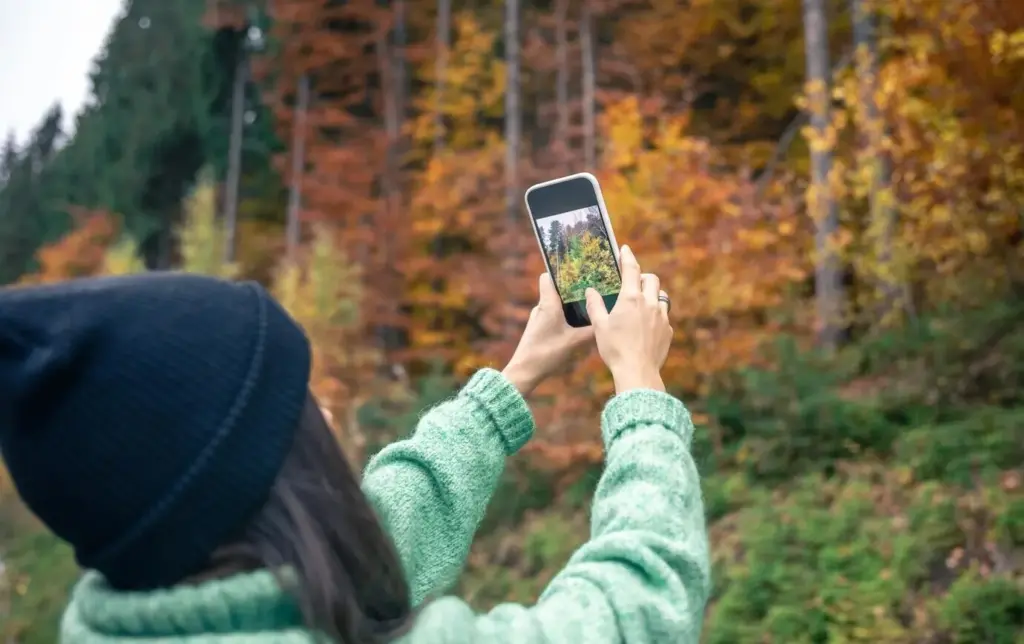
If you post reflections, foreground lessons, not locations. Remove exact coordinates, credit guides and Nations, and link to booking pages that sustain communities. Ask for review before publishing sensitive details. Responsible sharing turns memories into invitations for careful travelers, modeling how admiration can amplify stewardship rather than exposing sites or people to pressure, misinterpretation, or uninvited attention.
Ask questions and build your readiness
Unsure about gear, fitness, weather, or etiquette? Reach out. We welcome curiosity and will point you to operator guidance and community resources. Preparing well reduces risk and honors the time hosts offer guests. Your questions can spark new learning articles, route clarifications, or gear checklists that help the next traveler move with care, patience, and genuine reciprocity across these living pathways.