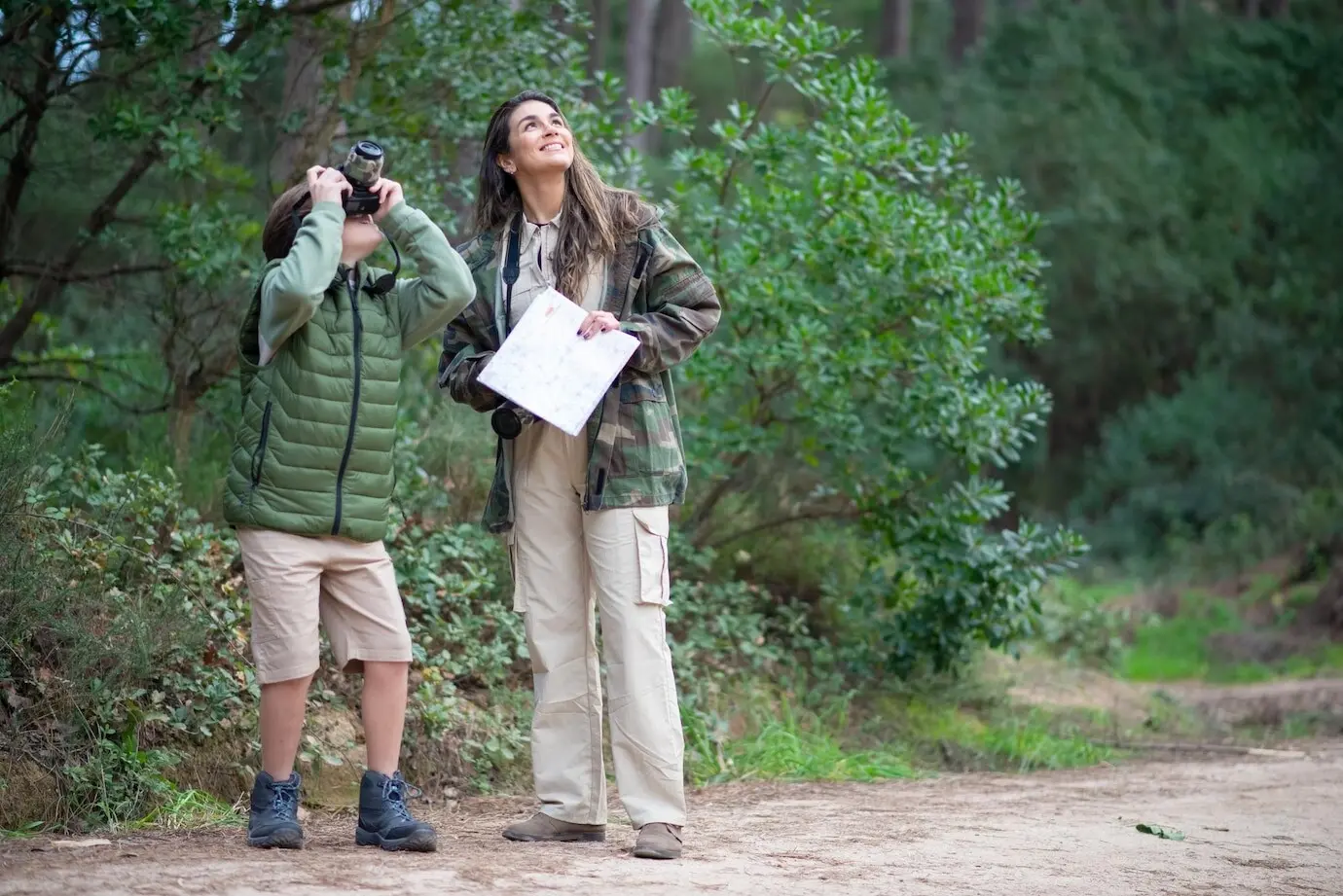
Follow the Living Pathways of Indigenous Canada

Set your compass for Indigenous Cultural Routes in Canada through map-guided tour reservations that honor community leadership, language revival, and land-based knowledge. Navigate respectful bookings with Indigenous-owned guides, read the land like a story, and travel with humility so every step supports cultural continuity, safeguards ecosystems, and nurtures relationships grounded in consent, gratitude, and reciprocity.

Ancient waterways still carrying today’s paddles

Canoe corridors stitched together distant shores, trade, and diplomacy long before highways. When you reserve a map-guided paddle, you join a living practice where strokes become conversations with wind, currents, and ancestors. Guides interpret place names, eddies, and campsites, teaching reading-the-water skills alongside safety, stewardship, and the etiquette that honors both human and nonhuman relatives encountered along the route.

Portage lines, trading stops, and treaty boundaries

Footpaths between waters were carved through knowledge of terrain, seasons, and agreements among Nations. Booking along these lines means acknowledging treaties, private lands, and contemporary governance. Your itinerary should reflect permissions, sensitive zones, and community calendars. When an operator redirects a plan, it is often to protect a ceremony, harvest, or ecosystem, reminding travelers that respect outranks convenience every single time.

Map Tools for Responsible Planning

Choosing platforms and meaningful layers

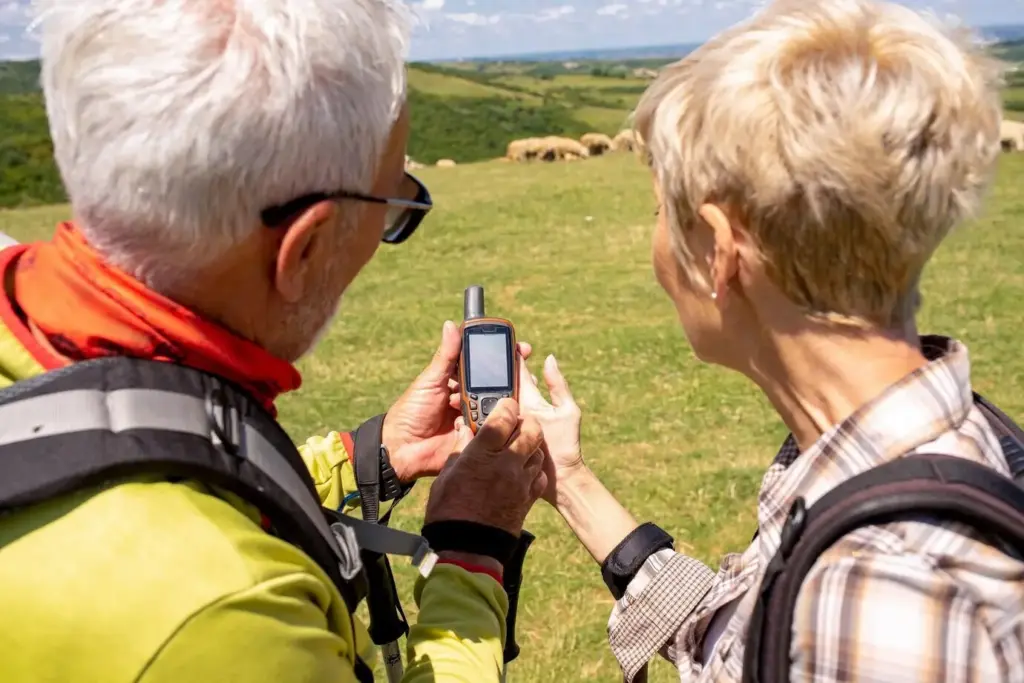
Select tools that allow layering: topography, hydrology, fire risk, tides, and Indigenous territories. Operators may share private markers for camps, hazards, and quiet zones. Integrate downloadable basemaps and satellite imagery, then calibrate expectations with guide advice. A beautifully layered map is only as ethical as the decisions it informs, so center safety, consent, and low-impact travel over speed or social-media-friendly detours.

Offline navigation that respects the land

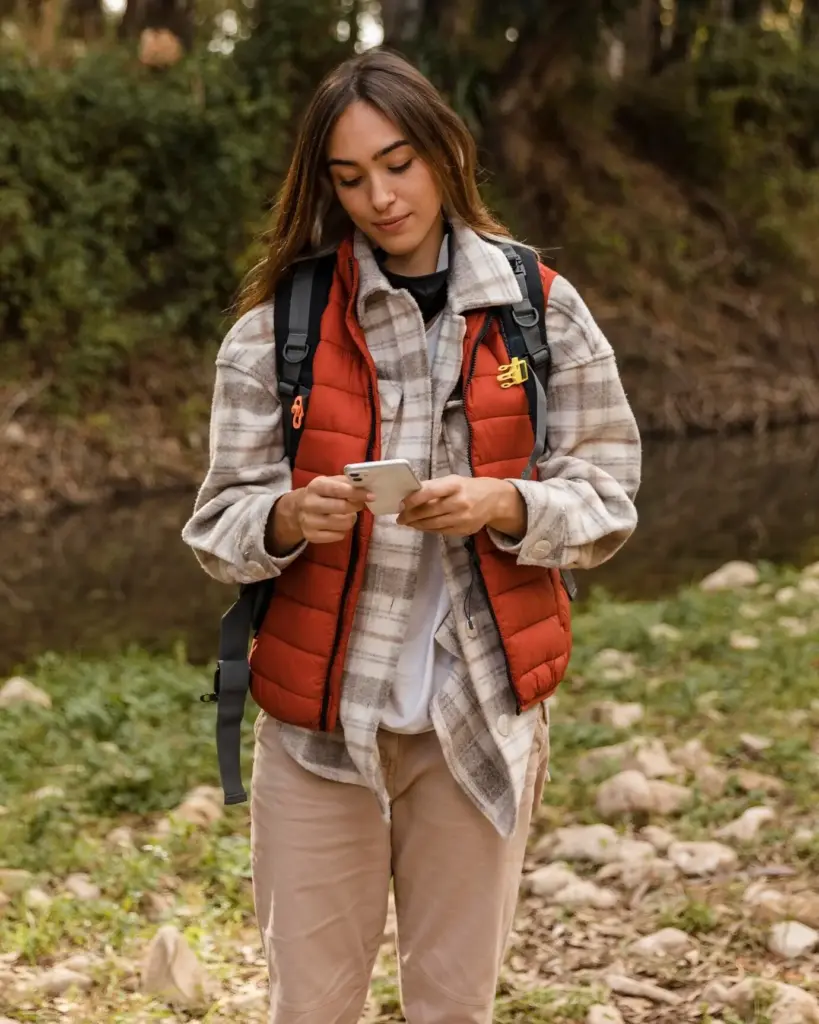
Signal fades quickly in remote valleys, archipelagos, and tundra. Download maps, waypoints, and backup basemaps before departure, then practice offline workflows at home. Pair devices with traditional skills like reading sky, shoreline lines, and bird behavior, as taught by guides. When batteries sleep, knowledge wakes; respectful travelers combine technology with attentive presence, ensuring navigation choices reflect community wisdom rather than algorithmic assumptions.

Weather, water, fires, and changing conditions

Route planning should anticipate shifting winds, sudden fog, early thaws, high water, and wildfire smoke. Ask operators for localized patterns and contingency camps. Monitor marine forecasts, river gauges, and safety bulletins, yet defer to guide direction in the moment. Building generous margins into daily distances protects ecosystems, reduces stress, and allows time for teaching, storytelling, and ceremonial pauses requested by knowledge keepers.
Booking With Indigenous-Led Operators

Reservations are more than dates and deposits; they are agreements to travel responsibly under community guidance. Seek Indigenous-owned businesses recognized by regional associations, and read cancellation policies shaped by weather and cultural timelines. Fair pricing sustains livelihoods, training youth, maintaining gear, and safeguarding sites. Transparent communication builds trust so your journey advances cultural resurgence rather than extracting stories or images.

Introductions, consent, and gifts

Begin with who you are, who taught you, and why you’ve come. Wait for guidance on greetings, offerings, or tobacco. Consent is ongoing, not a box to check once. If a guide asks for quiet or redirects an activity, embrace that request. Respectful introductions anchor trust, ensuring knowledge is shared at a pace and depth aligned with community comfort, safety, and sovereignty.

Sensitive places and careful footsteps

Burial grounds, healing areas, and ceremonial sites require special care. Stay on designated paths, follow footwear guidance, and avoid collecting rocks, feathers, or plants. Even excitement can be disruptive; keep voices soft and cameras stowed unless invited. Sensitive means relational: what seems ordinary may be sacred. Let humility shape behavior so the site’s wellbeing, not your curiosity, leads every decision and movement.

Sharing stories with care online

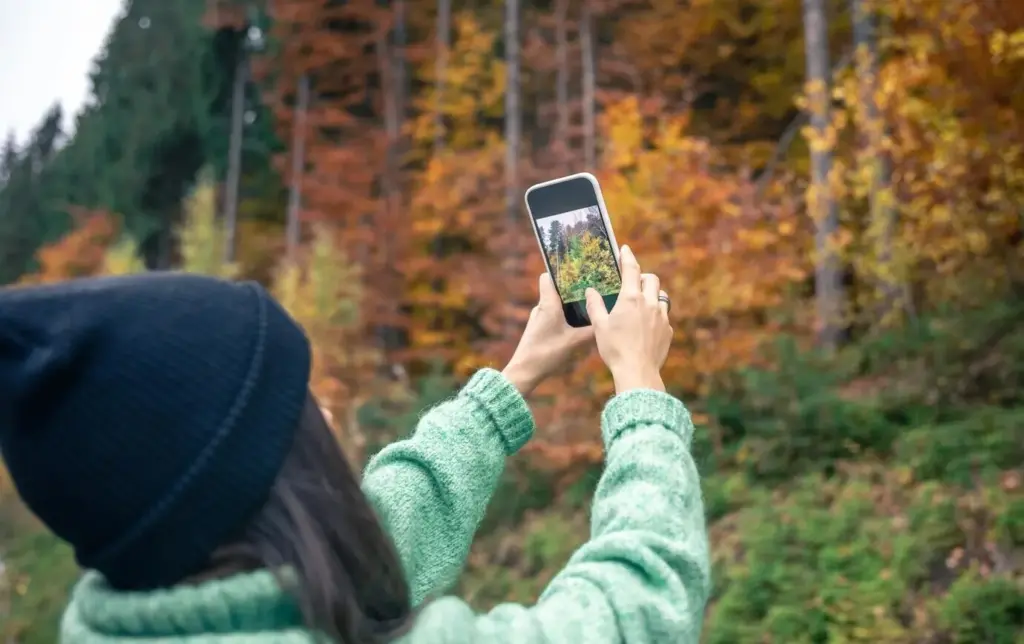
Before posting, confirm what can be shared, how to credit, and which details should remain off-grid. Geotagging can overwhelm fragile sites; consider removing coordinates. Center the community’s voice, not your performance. Ask guides about preferred language and links for bookings to support their work. Responsible storytelling builds bridges, turning your reflection into a respectful invitation rather than a blueprint for exploitation.

Protocols, Respect, and Photography

Traveling well means honoring consent, privacy, and sacredness. Some places welcome stories; others require silence. Always ask before photographing people, ceremonies, graves, art, or regalia, and follow the answer fully. Gifts may be appropriate when suggested by guides. Your presence should lighten the load for hosts, leaving behind fewer footprints and stronger relationships, not a trail of content seeking validation elsewhere.

Seasons, Wildlife, and Safety

From coastal rains to prairie chinooks and Arctic whiteouts, conditions reshape routes daily. Safety plans should name check-in contacts, turnaround times, and contingency camps. Learn bear-safe food storage, cold-water immersion response, and boat repair basics. When wildlife appears, the respectful choice is distance. Travel at the speed of care, protecting beings who call the land home long after your journey ends.

Spring thaws through winter freeze-ups

Shoulder seasons invite beauty and risk: rotten ice, swollen rivers, storms, and early darkness. Ask operators how spring and fall alter distances, ferry schedules, and emergency options. In winter, prioritize layers, frostbite prevention, and stove know-how. Seasonal adaptability honors community safety norms and keeps you present for teachings that only reveal themselves when travelers accept the land’s changing rhythms without forcing speed.

Wildlife awareness and co-existence

Encounters with bears, caribou, whales, or nesting birds demand calm, distance, and guide leadership. Learn to read tracks, scat, and behavior indicators while keeping food secured and camp clean. Use bear spray responsibly, avoid approach for photos, and shift routes when asked. Co-existence means shaping your plans around inhabitants’ needs, choosing wonder over conquest, and leaving habitats quieter than when you arrived.

Emergency readiness and communication

Carry a charged satellite communicator, spare power, and laminated emergency contacts supplied by your operator. Practice distress procedures and decision points before launch. If conditions exceed comfort, turning back is wisdom, not failure. Clear protocols support guides’ authority and community safety expectations. Prepared travelers listen well, reduce pressure, and ensure help can find them without putting additional lives at unnecessary risk.

Coastal cedar and ocean channels

Paddling among islands reveals longhouse sites, clam gardens, and stories held by tide lines and towering cedars. Swells, fog, and currents demand seasoned guidance and patient timing. When a guide pauses to teach a song or carving tradition, let your muscles rest and your attention sharpen. The coastline instructs travelers to move with tides, not against them, honoring rhythms that protect fragile shorelines.

Inland lakes, rivers, and gathering places

Portage-linked lakes carry echoes of trade, friendship, and celebration. In summer, powwow circuits and community events may shape travel days, creating opportunities to learn protocol, dance etiquette, and the responsibilities of guests. Bookings may integrate cultural stops with paddling distances, ensuring arrival respects ceremonies and quiet hours. These waters invite stamina and generosity, reminding travelers that strength includes careful listening and patient waiting.

Northern tundra, sea ice, and star paths

In the North, winter routes follow wind-hardened surfaces and knowledge of snow, light, and sound. Guides read the land’s subtle textures, teaching travelers to interpret drift, cold, and horizon. Map-guided reservations hinge on weather windows and community schedules. Movement becomes collaborative, paced by safety and shared purpose. Here, the compass points to humility, where smaller footprints mean deeper learning and enduring respect.

Join the Circle: Learn, Share, and Stay Connected

Travel flourishes when relationships stay alive after the journey. Subscribe for new route insights, seasonal planning notes, and operator spotlights crafted with community partners. Comment with questions, reflections, or resources that uplift Indigenous voices. If you traveled recently, ask your guide how best to share gratitude and photos. Together, we can map futures where tourism strengthens language, stewardship, and youth leadership.

Subscribe for updates shaped by community priorities

Receive route news that centers Indigenous leadership, including closures, cultural calendars, and booking windows. We publish only with permission and context, so your inbox becomes a place of learning rather than noise. Subscribing supports long-term work, reminding us that good travel grows slowly, guided by relationships, trust, and ongoing invitations rather than impulsive purchases or fleeting trends.

Share experiences that respect privacy and protocol

If you post reflections, foreground lessons, not locations. Remove exact coordinates, credit guides and Nations, and link to booking pages that sustain communities. Ask for review before publishing sensitive details. Responsible sharing turns memories into invitations for careful travelers, modeling how admiration can amplify stewardship rather than exposing sites or people to pressure, misinterpretation, or uninvited attention.

Ask questions and build your readiness

Unsure about gear, fitness, weather, or etiquette? Reach out. We welcome curiosity and will point you to operator guidance and community resources. Preparing well reduces risk and honors the time hosts offer guests. Your questions can spark new learning articles, route clarifications, or gear checklists that help the next traveler move with care, patience, and genuine reciprocity across these living pathways.

Kinurilipemipupetupovu
Privacy Overview

This website uses cookies so that we can provide you with the best user experience possible. Cookie information is stored in your browser and performs functions such as recognising you when you return to our website and helping our team to understand which sections of the website you find most interesting and useful.